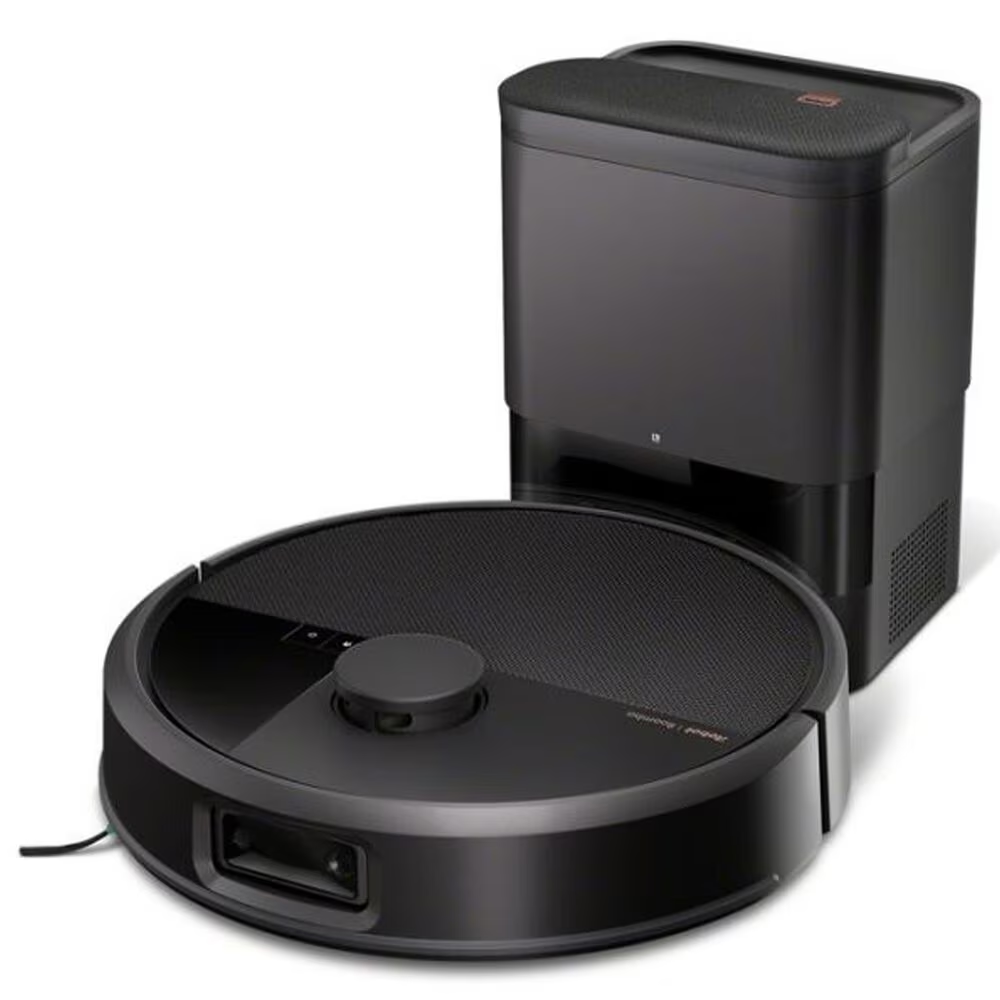
Worth comparingiRobot Roomba Max 705 Vac
A current vacuum-only comparison with an AutoEmpty dock when you do not need mopping hardware.
£279.00
via iRobot UK · checked 15 Aug 2026
Open robot profile →
A self-emptying dock solves one very specific problem: instead of manually emptying the robot's small dustbin after cleaning, the dock transfers debris into a larger container. That can be particularly useful in pet homes, larger homes and households that run the robot frequently — but it does not automatically make the robot better at cleaning.
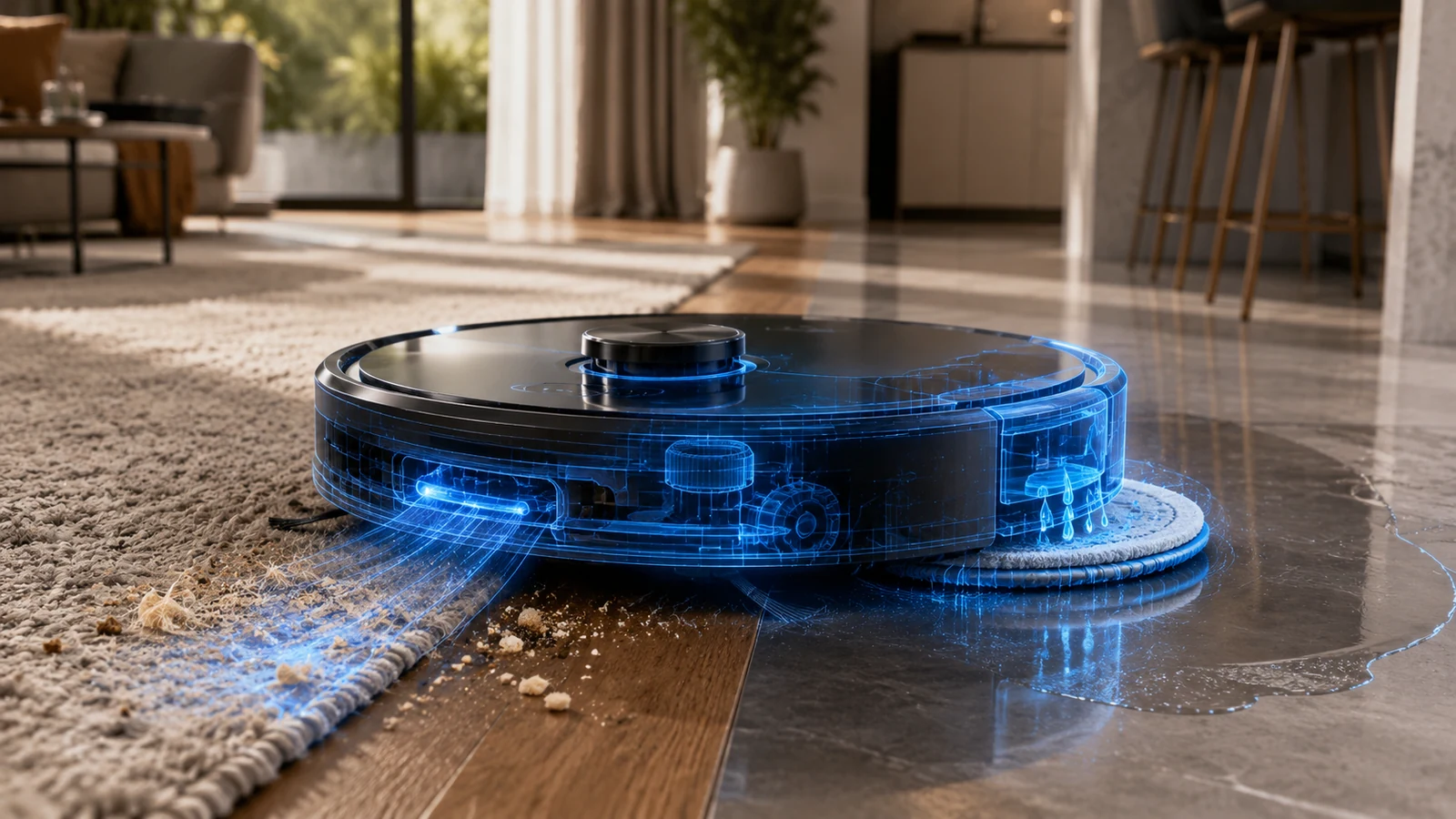
Separate automatic dust emptying from mop washing, drying and water refilling.
Check whether the dock uses a disposable bag or a reusable container.
Allow space for the dock and expect a short, loud emptying cycle after a run.
Cleaning evidence still matters: dock convenience does not prove better floor pickup.
These are starting points, not a universal ranking. The personalised matcher can promote a different robot when your home gives different requirements more weight.Starting points only — Home Fit can change the order for your home.
A current vacuum-only comparison with an AutoEmpty dock when you do not need mopping hardware.
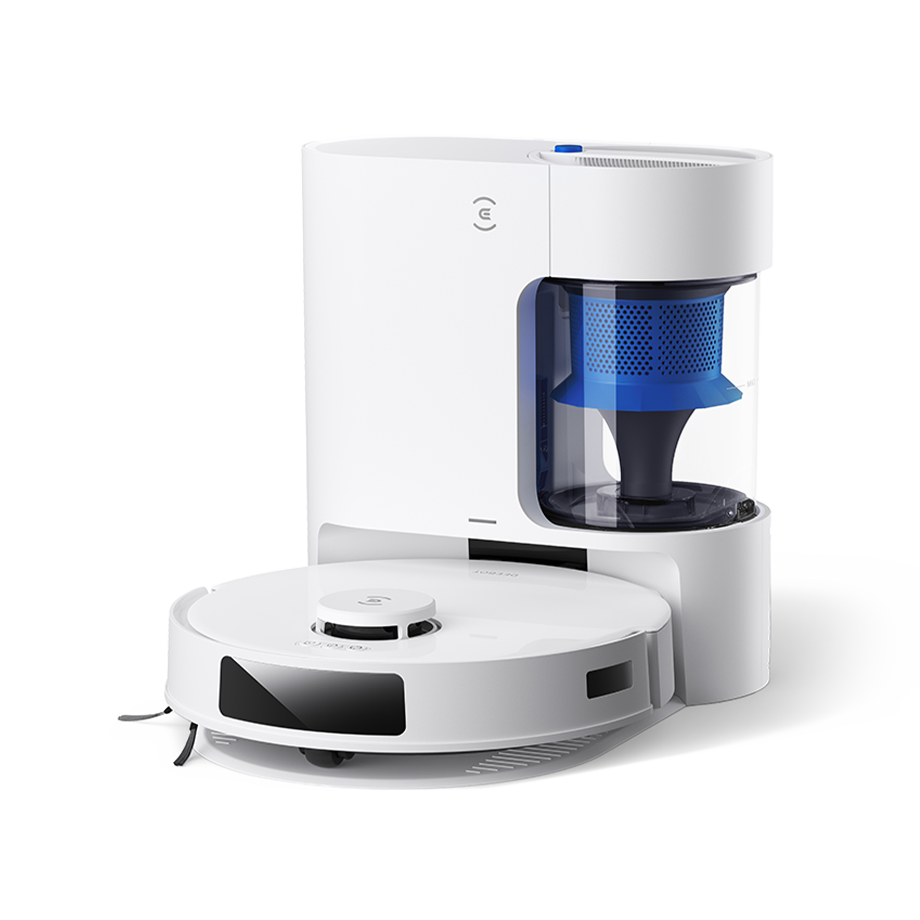
A value-focused self-empty option that can suit shoppers who do not need a large full-service mop dock.
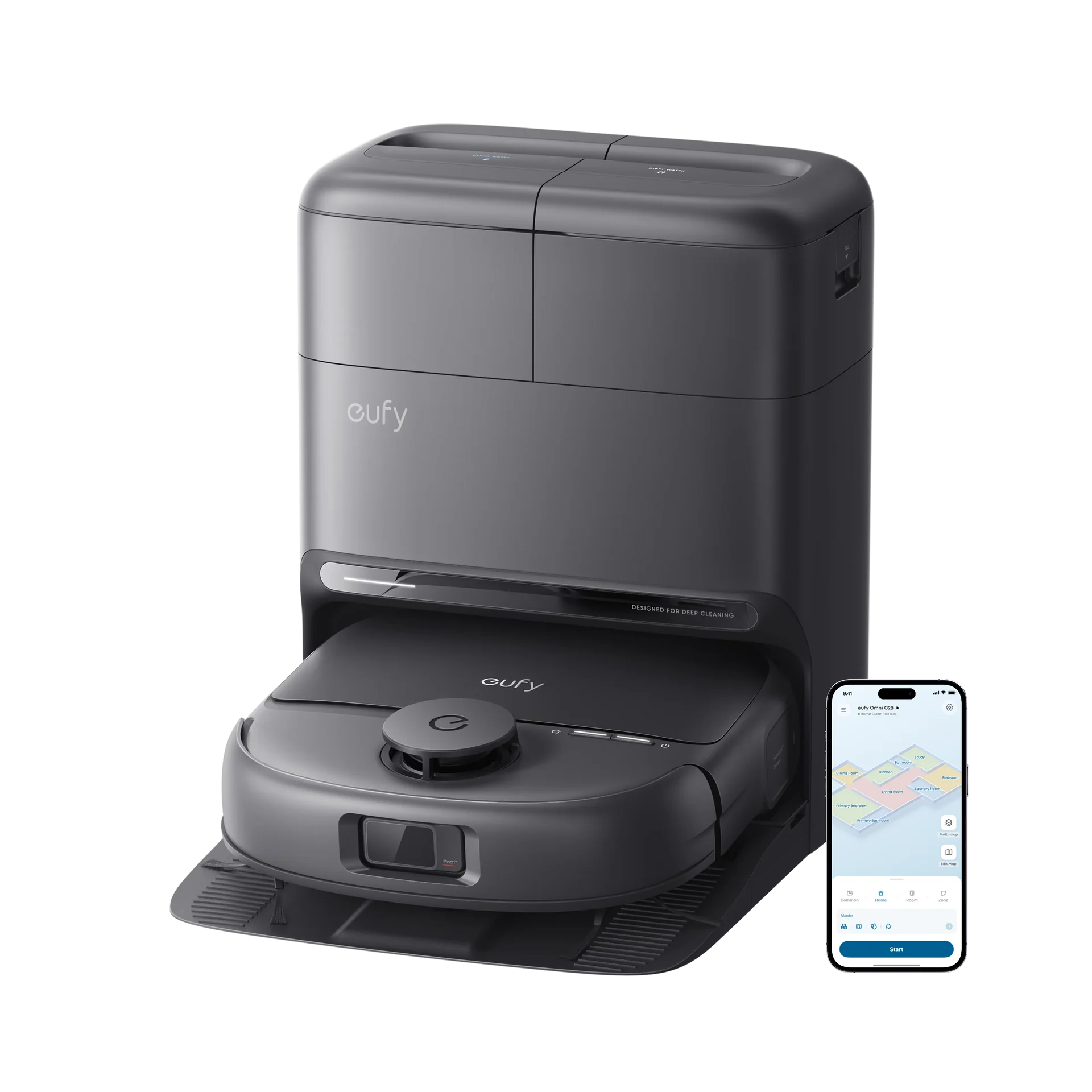
A current combination model to compare when dust emptying and broader mop automation both matter.
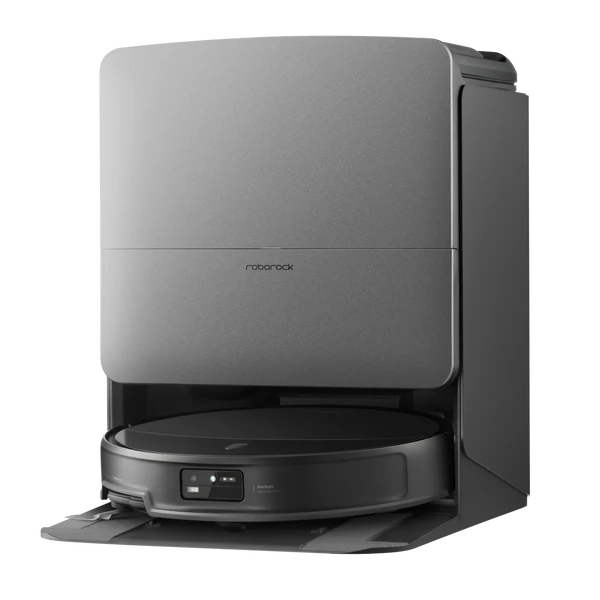
A premium full-service alternative where self-emptying is only one part of the automation you want.
The shortlist above uses current catalogue models and live UK buying data. Compare the robot's cleaning evidence separately from the dock.
A self-empty dock transfers dry debris. A full-service dock may also wash and dry mops, refill water or dose detergent, adding convenience, size and maintenance.
Bagged docks contain debris neatly but require replacement bags. Bagless containers avoid that consumable but expose you more directly to dust when emptied.
It reduces small-bin emptying. Brushes, filters, sensors and the dock still need attention, while mop docks also need water and wash-tray care.
Frequent emptying can help in shedding homes, but it does not prove strong hair pickup or resistance to tangling. See the pet-hair guide for those separate questions.
Measure the full dock footprint and clearance needed to remove its container. Emptying is usually brief but much louder than routine cleaning.
It is most useful when the robot runs frequently, collects lots of hair or covers a large home. In a small, low-debris home, manual emptying may be a reasonable trade-off.
Yes. You still need to replace or empty the dock container, clean filters and brushes, remove tangles and wipe sensors. Combination docks also need water and mop care.
It can reduce frequent contact with collected fur and dust, but brush design and tested hair pickup remain separate parts of the buying decision.
A robot can gain capabilities and still become a worse buy for a particular household if those capabilities cost money without solving that household's problems. RightRobot keeps evidence, Home Fit and current shopping routes as separate layers so the recommendation can explain both fit and value.